
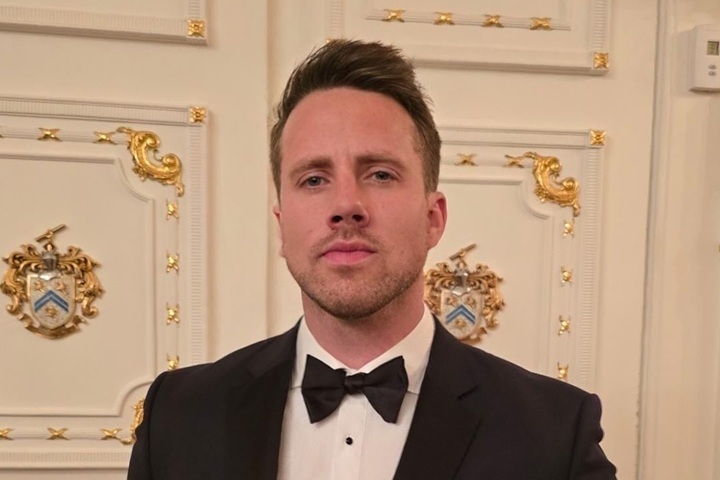
Elijah Schaffer, a conservative internet personality and media commentator, became the focus of intense online attention after a series of troubling social media posts appeared and were later deleted. In those posts, Schaffer suggested that his wife and children were no longer with him and made claims that triggered widespread concern and speculation across social platforms. As the messages spread rapidly, screenshots continued circulating even after their removal, fueling debate and conspiracy theories.
Subsequent reporting clarified that the situation was tied to a marital dispute and divorce proceedings. Court records show that Schaffer filed for divorce on January 22, 2026, in Palm Beach County, Florida. He later addressed the situation, describing it as an emotionally difficult period and thanking supporters for reaching out. While the incident generated significant online buzz, no independent reporting has confirmed allegations of criminal framing or involvement by law enforcement agencies.
Elijah Schaffer: Background, Media Identity, and Public Persona
Elijah Schaffer is an American internet personality who became widely known for his outspoken political commentary and unconventional media style. Over time, he has built a reputation as someone who deliberately challenges mainstream narratives, often using sharp language and provocative framing to get his point across. This approach has helped him gain attention online, while also making him one of the more controversial figures in digital political media.
Schaffer did not rise through traditional journalism pathways. Instead, his career reflects a new kind of media personality—one built through social platforms, direct audience engagement, and viral content. He is best known for positioning himself as an alternative voice to what he describes as “establishment media,” appealing to viewers who feel disconnected from traditional news outlets.
His public persona blends political activism, commentary, and personal storytelling. Supporters see him as bold and fearless, while critics argue that his style often prioritizes shock value over responsible discussion. Regardless of opinion, Schaffer has successfully created a recognizable brand, one that thrives on visibility and strong reactions.
Over the years, Schaffer has used platforms like YouTube, X (formerly Twitter), and livestreaming services to maintain a close connection with his audience. This direct relationship allows him to bypass editors, producers, and corporate oversight—giving him creative freedom, but also placing full responsibility for his content on his shoulders.
From BlazeTV to Independent Media: How Schaffer Built His Audience
Elijah Schaffer’s national recognition grew significantly during his time with BlazeTV, a conservative media network. While there, he became known for hosting a show that mixed political commentary with on-the-ground reporting. His segments often involved direct interactions with protesters, activists, and members of the public, sometimes in tense or emotionally charged settings.
This reporting style helped his content stand out in a crowded digital media space. Rather than relying on studio discussions, Schaffer focused on real-world confrontations that were easy to clip, share, and debate online. These moments spread quickly across social media, helping him attract a large and loyal following.
His ability to create viral moments played a major role in his growth. Short videos, strong headlines, and emotionally driven exchanges allowed his content to reach audiences beyond typical conservative circles. For some viewers, this approach felt raw and authentic. For others, it felt intentionally confrontational.
Eventually, Schaffer parted ways with Blaze Media following internal disputes and policy-related issues. While the separation was controversial, it marked a major shift in his career. He moved fully into independent media, launching his own platform, RiftTV, where he could publish content without network oversight.
This transition reflected a broader trend in online media, where creators rely on subscriptions, donations, and direct support rather than traditional advertising or cable distribution. Though independence came with financial and reputational risks, it also gave Schaffer full control over his messaging and direction.
Public Backlash, Controversies, and Career Turning Points
Controversy has been a consistent part of Elijah Schaffer’s public life. His content has often sparked backlash due to statements and jokes that many critics view as offensive or harmful. These moments have drawn criticism from media watchdog groups, advocacy organizations, and fellow commentators.
Much of the criticism centers on Schaffer’s approach to sensitive topics such as race, gender, religion, and sexuality. Opponents argue that his style encourages division and hostility, while supporters claim he is simply exercising free speech and challenging political correctness.
In addition to public criticism, Schaffer has faced professional consequences. His departure from Blaze Media was widely covered and became a turning point in how he was perceived. While some saw the move as evidence of accountability, others believed it reinforced his image as an outsider being pushed out by institutions.
Legal disputes have also entered the picture, adding complexity to his career. In the digital age, online statements can quickly escalate into serious legal and reputational challenges. For Schaffer, these moments have reinforced the risks that come with operating independently in a highly polarized media environment.
Despite repeated setbacks, Schaffer has continued to rebuild and adapt. Each controversy has reshaped his platform, sometimes shrinking his reach, but often strengthening loyalty among core supporters. This cycle—attention, backlash, and resilience—has become a defining feature of his career.
Marriage, Divorce Timeline, and the Social Media Firestorm
Elijah Schaffer’s personal life entered the public spotlight in early 2026, when he shared a series of emotional social media posts related to his marriage and family. These posts marked a rare moment where his private life became the main focus of public attention.
Schaffer was married to Kezia Louise Schaffer. While details about their engagement and wedding were mostly kept out of mainstream coverage, the couple had acknowledged their relationship publicly in earlier years. Their marriage appeared stable from the outside, with little public indication of trouble prior to 2026.
According to court records, Elijah Schaffer filed for divorce on January 22, 2026, in Palm Beach County, Florida. Shortly after the filing, Schaffer posted messages online stating that his wife had divorced him and taken their children. He also claimed that he did not know where they were at that time.
These posts quickly went viral, gaining millions of views before being deleted. Screenshots circulated widely, triggering speculation, concern, and debate. Supporters expressed sympathy and worry, while critics questioned the decision to share such personal and sensitive information publicly.
Schaffer and his wife share children, though verified sources have not publicly confirmed how many. News outlets have deliberately avoided sharing identifying details, prioritizing the privacy of minors. No independent reporting has confirmed any wrongdoing or illegal actions related to custody or family arrangements.
As of the latest updates, the divorce proceedings remain private. Neither party has released a full public statement clarifying the situation. The incident highlighted how quickly personal struggles can turn into public narratives, especially when shared on platforms designed for rapid engagement.
Current Status, Legal Challenges, and What Comes Next
Today, Elijah Schaffer remains active as an independent media figure. Through RiftTV and social media platforms, he continues to produce political commentary and engage directly with his audience. His content now often blends political topics with personal reflections shaped by recent events in his life.
Schaffer also faces ongoing legal and reputational challenges linked to his online statements. These disputes serve as reminders of the high stakes involved in digital commentary, where influence and accountability are closely intertwined.
Despite these challenges, Schaffer shows no indication of stepping away from public life. His ability to maintain an audience, even amid controversy, reflects the loyalty of his core supporters and the polarized nature of modern media consumption.
Looking ahead, his future will likely depend on how he navigates platform policies, legal boundaries, and public scrutiny. For better or worse, Elijah Schaffer represents a broader shift in media—one where individuals, not institutions, command attention, shape narratives, and bear the consequences. Whether seen as a fearless critic or a deeply polarizing figure, Schaffer’s story illustrates the power and risk of internet-driven influence in the modern age.